
Characteristics Of The Main Components Of The Tire
(1) Toe opening
The rigid part used to fix the tire on the rim without being easily stretched is called the toe. The toe can firmly fix the tire on the rim and resist the force that causes the tire to detach from the rim when the vehicle is running. In order to stably shape the toe opening and form a rigid transition from the bead to the sidewall, the apex rubber used for filling has a greater hardness and is non-vulcanizable, so the toe opening cannot be repaired.
(2) Sidewall
The rubber covering layer attached to the sidewall of the carcass to protect the carcass from mechanical damage and other external effects (such as mud, water, etc.) is called the sidewall. The difference between the sidewall and the tread is that it does not bear large stress and is not in contact with the ground, so it is not subject to wear. The sidewall mainly works in a flexing state, so the thickness of the sidewall can be slightly thinner. However, it must withstand large mechanical deformation and is prone to cracking under the action of ozone. Therefore, the sidewall should have low elongation strength and excellent fatigue resistance and ozone resistance. The sidewall is the most common area for zipper blowouts. Main reasons: ① Insufficient air pressure. When using radial tires after the tire is installed, the standard air pressure must be ensured. If the tire is deficient, it will cause excessive bending of the steel wire on the sidewall and loosen the steel wire structure. When the tire is inflated again, the pressure resistance will be reduced, and a zipper blowout will occur. ② Overload.
(3) Tire shoulder
The shoulder is located between the crown and sidewall and is the thickest part of the tire construction. It is also the part with the highest tire temperature during vehicle operation, which can easily cause rubber cracks. Such wounds should be checked and repaired promptly to avoid water seepage causing internal steel wires to rust.
(4) Tire crown
The crown of the tire should be in direct contact with the road. Therefore, its wear resistance should be good, rolling resistance and noise should be small, and it should also have excellent heat resistance and puncture resistance. In addition, the tire crown bears a large load, especially on poor roads, so it must have good elastic fatigue resistance and high aging resistance.
Introduction To The Function And Performance Of Tires
Detailed Introduction To The Basic Tire Manufacturing Process
Related Article
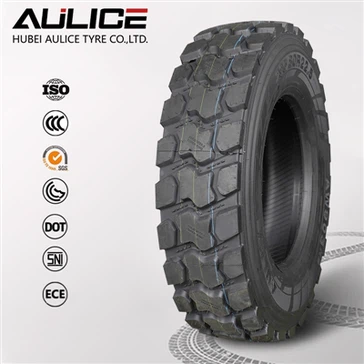
No matter the wind and rain or the sand and rocks